Spring is crunch time for many orchardists and decisions made now can play a critical role in whether the season ahead is a good one or a bad one. This year promises to be more unpredictable than ever for growers in New Zealand and Australia, due to the emergence of an El Niño weather pattern in the Pacific that is likely to intensify in the months ahead.
Whichever side of the Tasman you’re on, staying ahead of the weather is critical to protect vulnerable new flowers and fruit. From optimising your spray timing for crop protection to planning irrigation to understanding when conditions are right for thinning or planting, here's how to maximise your use of MetWatch this spring.
Knowing what the weather will bring is more important than ever at this time of year. Diseases and pests can wreak havoc on vulnerable shoots and new fruit, while a badly timed frost can do significant damage to your crop.
MetWatch has recently enhanced its forecasts to provide a single view that lets you see and compare forecasts from MetService and yr.no weather services in one place. This is ideal if you’re planning on-orchard activities around the weather, or want to get to grips with any upcoming weather events - including temperature and conditions conducive to frost – that might require you to take mitigating action.
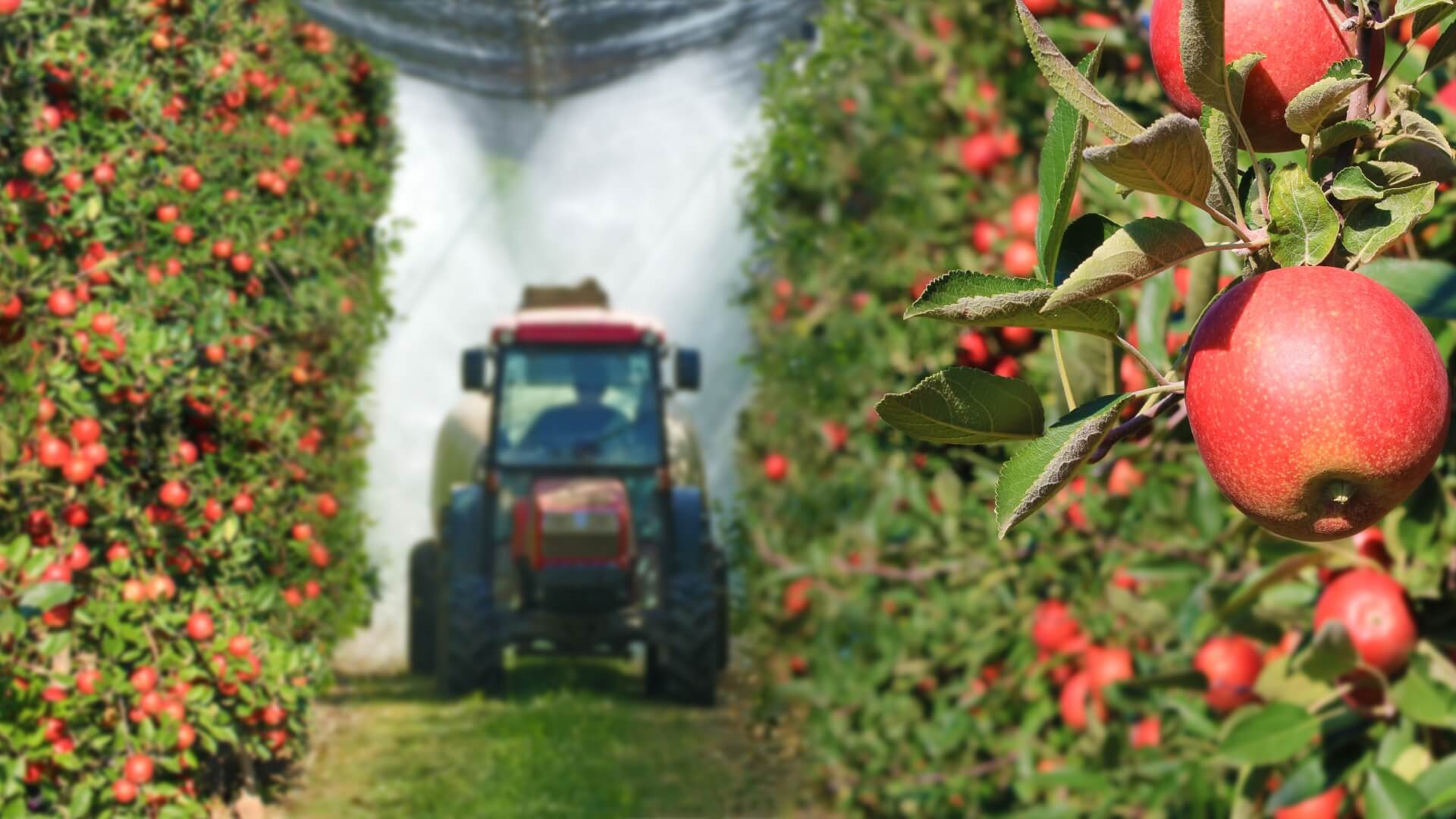
For spray planning, don’t forget to watch the rain, wind, spray drift forecasts and the many different on-board disease and pest risk models to optimise your spray timing and efficacy.
With the current El Niño weather pattern expected to intensify, MetWatch’s soil moisture monitoring, evapotranspiration (ET) tools and rainfall forecasts will be more valuable than ever.
In addition to the rain forecasts in MetWatch, the evapotranspiration tool allows growers to gain an understanding of how much water is being lost through evaporation from the soil and transpiration from plants. Many of the weather stations in our network also include soil moisture sensors that can help you gain an understanding of just how dry or wet the soil is in your local area.
For hyper-local forecasts and soil moisture level readings, on-orchard weather stations can be installed and linked into MetWatch to provide the best possible information for crop protection and irrigation decision making.
Pest and disease risk models developed by leading scientists and research organisations are one of MetWatch’s strengths. They come into their own during spring, providing growers and agronomists with valuable information to support spray timing decisions and other plant pest and disease fighting efforts.
At this time of year, apple growers will want to closely monitor the ascospore and black spot and disease models to keep tabs on risk levels in their area and plan any required mitigations. A helpful codling moth model is available on MetWatch for apple growers looking to manage this problematic pest from October onwards.
Growers of peaches, nectarines and other summerfruit can benefit from the leaf curl and leaf rust models available on MetWatch, while savvy grape growers can make use of the downy mildew and powdery mildew models to protect their crop and maximise future yield. For kiwifruit growers, MetWatch’s Psa model can help guide spray timing and other mitigation efforts.
Good orchard hygiene should underpin all disease and pest-fighting efforts. Take extra care to prune trees to remove any cankers and diseased wood, and consider thinning, as needed, for crops such as grapes and kiwifruit.
Spring is the time when many onion growers are putting seeds and seedlings into the ground, but timing that planting right is critical to avoid the scourge of white rot. This fungus is suppressed by warmer temperatures, so onion growers often use MetWatch’s soil temperature tool and white rot disease models to determine the optimum time for planting to reduce white rot risk.
Growers that want to maximise these tools often invest in their own on-orchard weather stations with soil temperature sensors to help improve the accuracy of any measures. Data from growers’ on-orchard stations can be set up to flow directly into their MetWatch accounts, ensuring they can act with information that is specific to their own property.
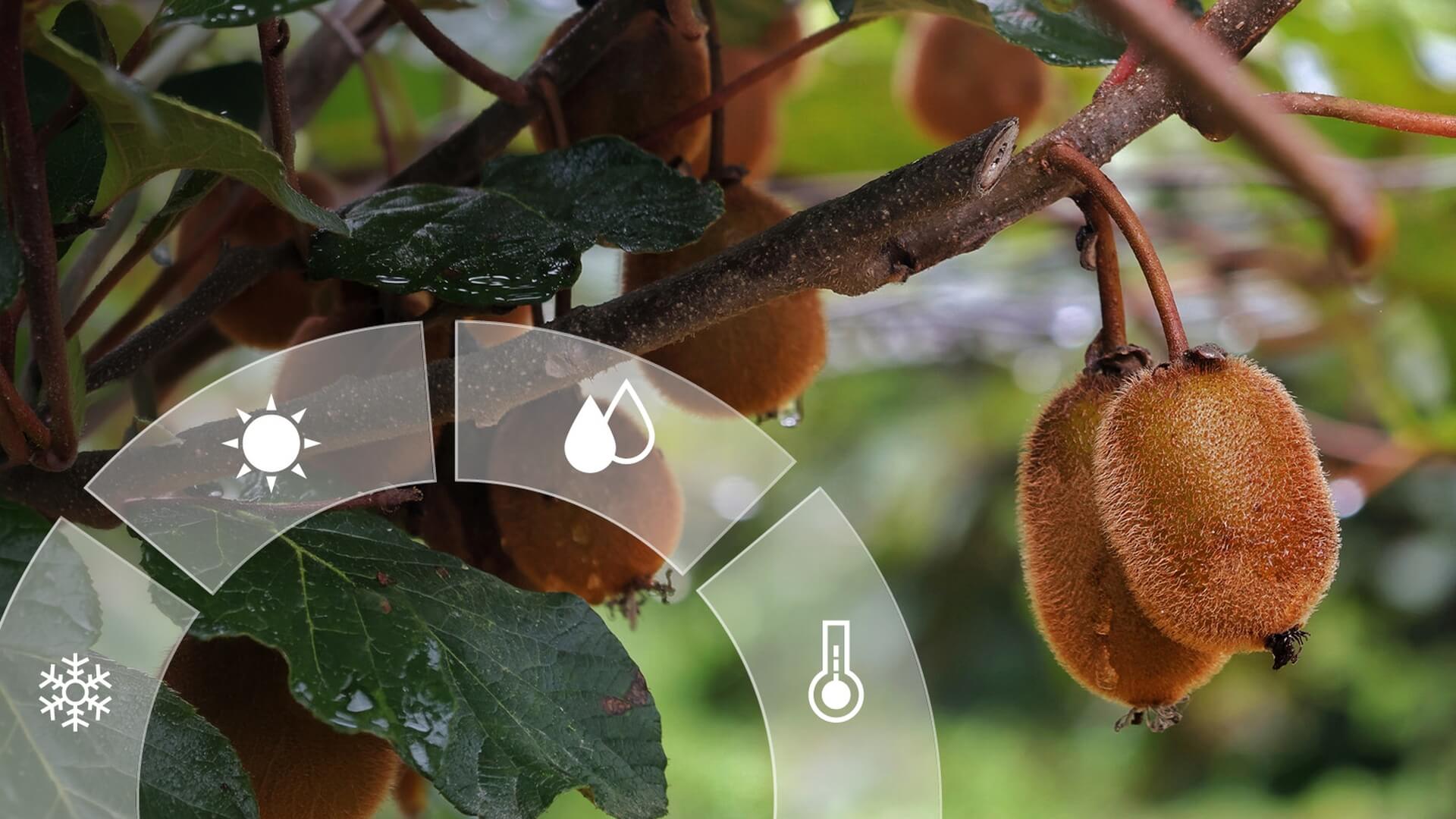
Temperature monitoring can be valuable in determining whether artificial pollination or other steps might be needed to improve pollination on an orchard. Bees are most active in temperatures approximating 15-25°C , so a run of cold or hot days can have a real impact, particularly for crops like kiwifruit that have a narrower pollination window.
Using MetWatch to monitor forecast temperatures and cloud cover can come in useful for growers considering flower thinning to improve fruit size and quality, and reduce disease pressure. Cloud cover can cause natural flower drop, so it can make sense to hold off on flower thinning plans, so you can reassess later, if a number of cloudy days are ahead. Most chemical agents require temperatures in the range of 18-29°C , depending on product, to achieve optimum results, so having access to accurate hourly cloud cover and temperature forecasts is helpful when deciding on the best days and times to apply them.
There’s so much more MetWatch can help growers with during spring to save time, improve crop protection outcomes, and ultimately maximise fruit yield and profitability. If you haven’t explored its full potential yet, you can try it yourself by signing up for a free trial on our MetWatch page.