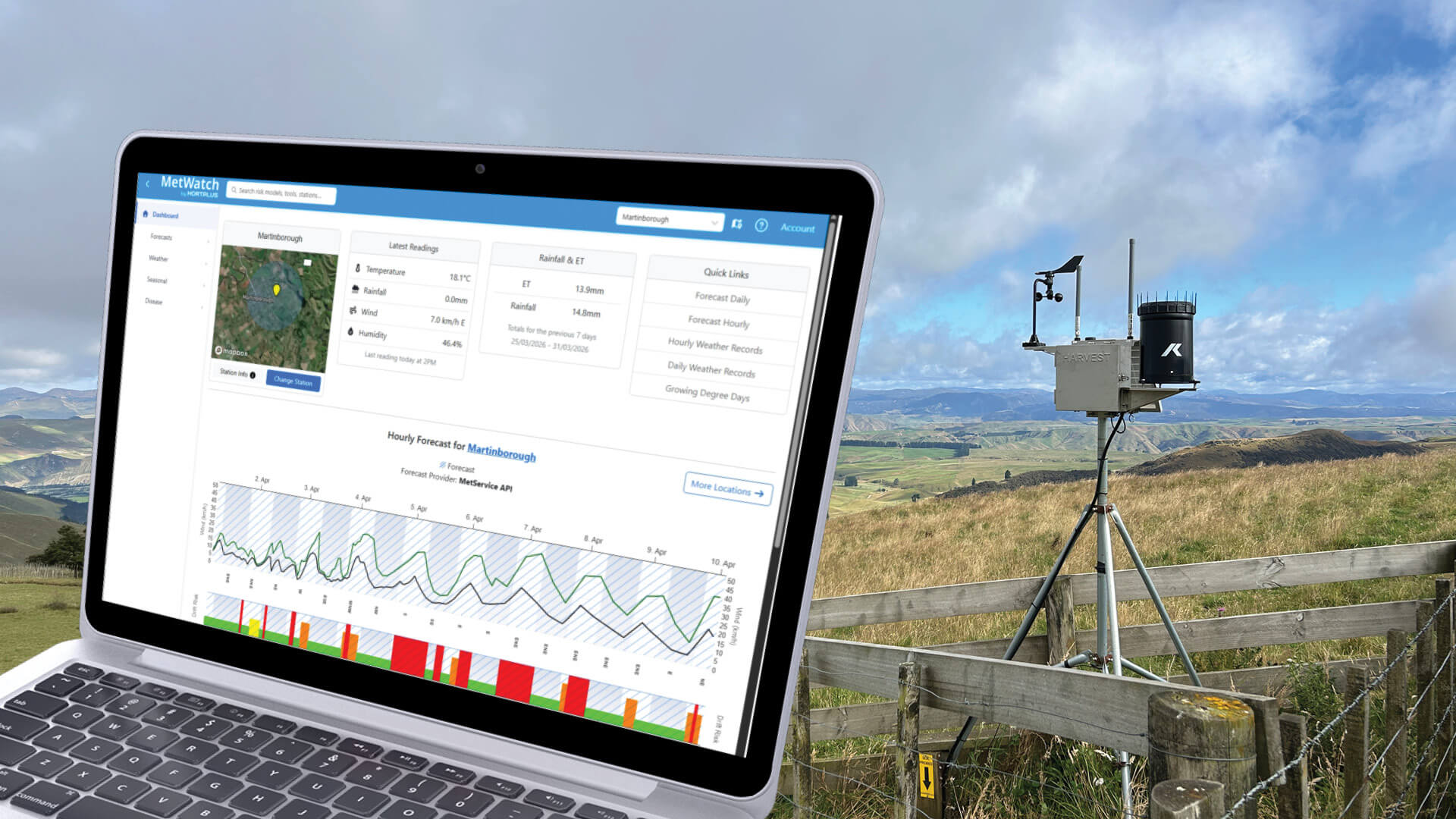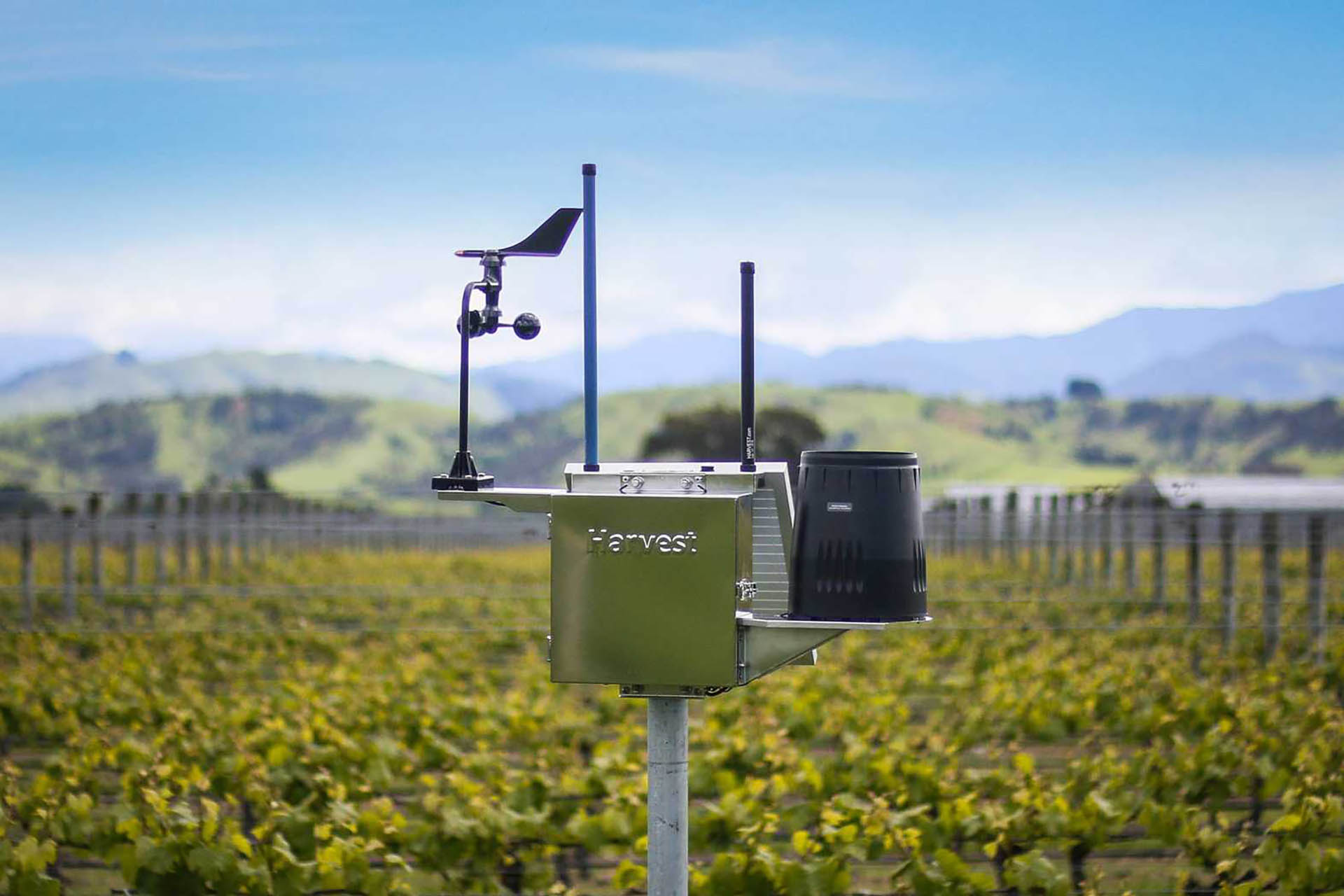
Our digital platforms connect to a powerful network of over 100 scientific-grade weather stations located throughout key growing areas here in New Zealand, but did you know that you can also connect your own Harvest weather stations?
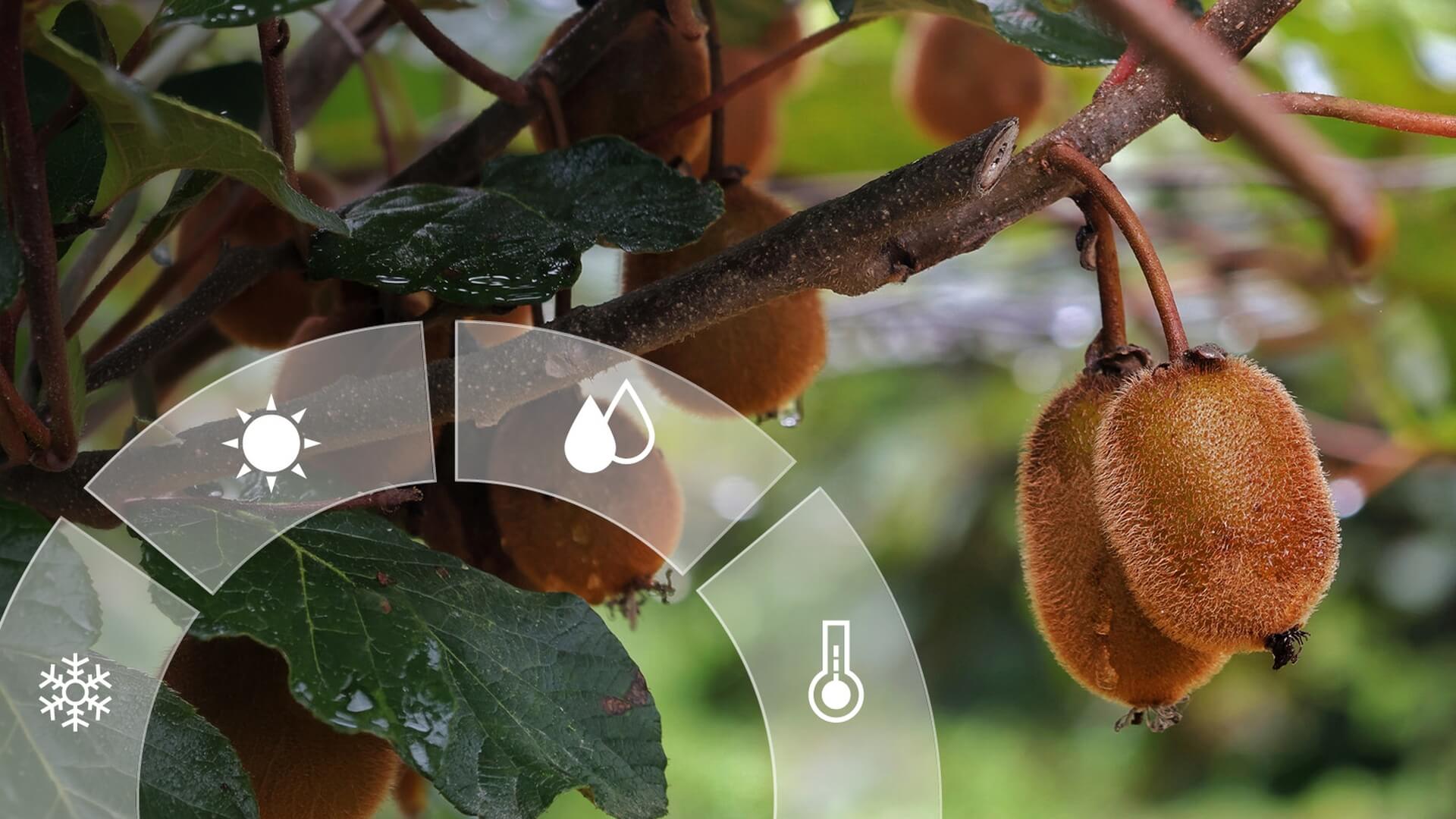
The importance of microclimate data is well known in agriculture. Orchards and farms that cover a wide area or that are separated by terrain, or even shelter belts, may experience differing amounts of rain, humidity and temperature. Orchards may have cold spots that are more susceptible to frosts and there are other factors that may mean a weather station a few kilometres away may not be reflecting the reality seen in the orchard.
Growers and firms often maintain their own weather stations from brands including Harvest for specific purposes including frost alerts. Now you can make the most use of the weather station data and hardware you already have by connecting it to the HortPlus Network. Weather Stations used for trial blocks and other research can also be connected to MetWatch.
When you connect your Harvest weather station hardware to the HortPlus Network you can run all of our models and tools on it and can compare different properties or blocks for greater insight and decision support.
We are firm believers in calibrated and maintained weather stations to provide the best data possible, which is why we maintain our own regularly serviced scientific network of stations. When you connect your own weather stations to the HortPlus Network we will check it against the nearest scientific-grade station to ensure it is within the parameters we would expect. Generally we expect stations to be installed to WMO Standards in a good location and to be giving a consistent data feed.
Your weather station data is yours.
Only you have access to your weather station data in HortPlus tools. However if you want to share the data with industry, staff, orchard managers, and contractors this is as easy as letting us know their email address or getting in touch.
Note for weather stations from other manufacturers
HortPlus is able to integrate weather stations from a range of manufacturers, including Davis, Campbell Scientific, and others. Please get in touch with your hardware details and we will assist you with connecting these to the HortPlus Network.