While summer brings ideal growing conditions for many crops across New Zealand, it also presents unique challenges for growers – from managing irrigation during dry spells to staying one step ahead of pests and diseases that thrive in warm conditions.
The MetWatch weather, pest and plant disease portal equips horticulturalists with an armoury of digital tools to manage these seasonal challenges with confidence. Here are five ways you can harness our powerful platform’s capabilities to care for your crops and optimise your operations.
Summer's heat means intelligent water management is essential to maintain crop health and support profitable yields. Our Evapotranspiration Tool combines rainfall, wind, humidity, temperature and sunlight data to help you determine precisely when particular crops need water – eliminating guesswork.
Access the tool by logging into your business or industry-specific MetWatch portal and selecting ‘Daily ET and Rainfall’ under the ‘Irrigation’ dropdown menu. Its easy-to-read interface provides actionable insights that help you take action to proactively schedule irrigation cycles, understand historic local weather patterns and preserve plant health.
Powdery mildew is a significant threat to grape crops during New Zealand's warmer months. MetWatch's disease modelling for powdery mildew provides daily risk assessments based on your vineyard's specific weather conditions, allowing you to time protective sprays strategically rather than relying on calendar-based applications.
Sulphur sprays are effective in controlling powdery mildew but shouldn’t be sprayed when temperatures exceed 30°C, as this can damage fragile grape vines. MetWatch's detailed temperature forecasts allow you to proactively identify optimal spray windows during cooler morning or later evening periods.
Log into your MetWatch Weather and Disease Portal regularly throughout summer to stay one step ahead of infection periods and minimise the effect of powdery mildew.
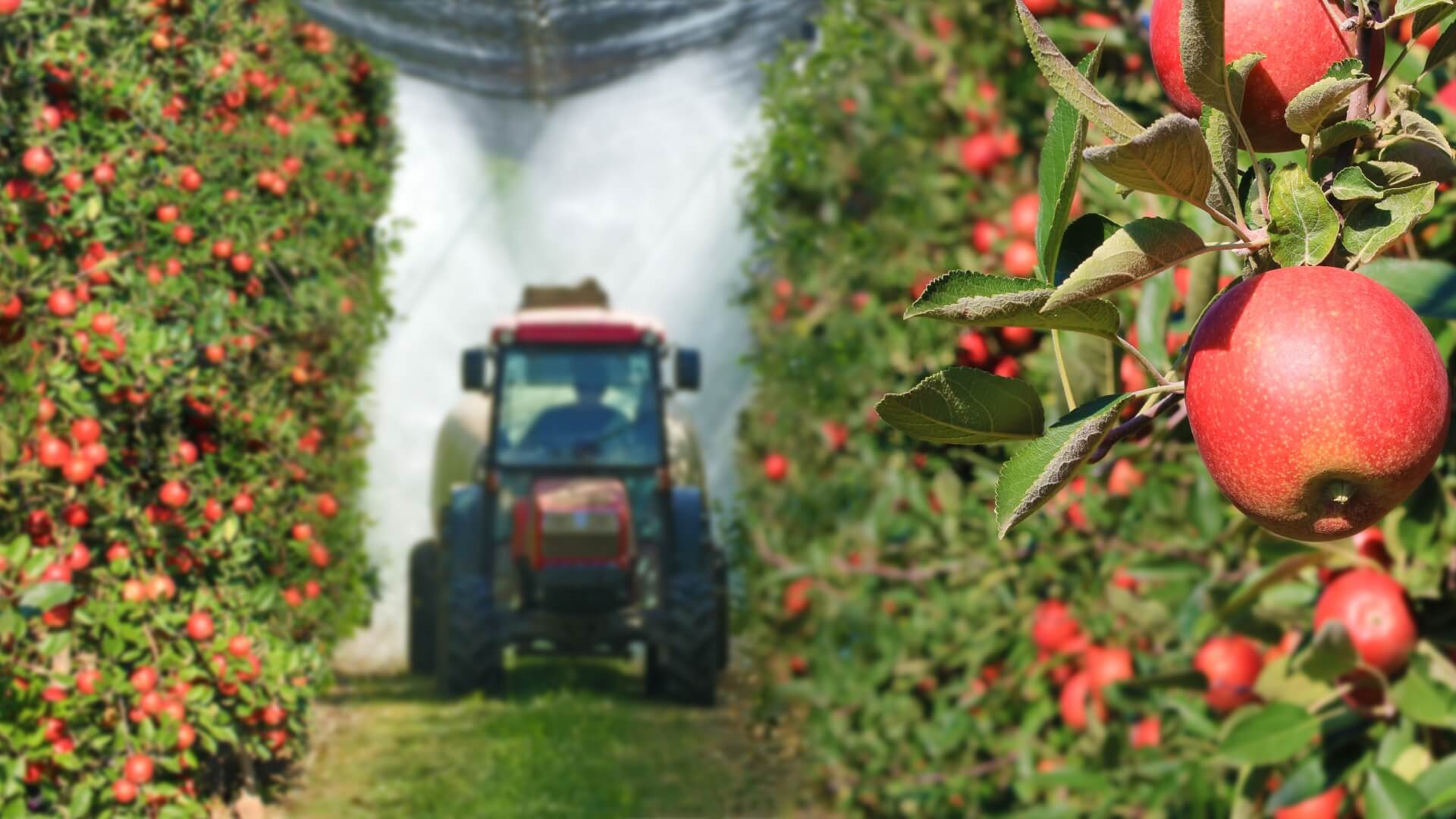
Summer marks the critical period for two major apple pests: black spot (apple scab) and the second generation of codling moth. Black spot is favoured by warm, wet conditions, while codling moth larvae tunnel into fruit and can cause significant crop damage.
New Zealand Apples and Pears’ Weather and Disease Portal provides sophisticated disease models for black spot alongside a codling moth phenology model that helps you predict when the second-generation of codling moths will emerge to feed.
Timing your intervention correctly to prevent larvae attacking fruit can dramatically reduce damage. Log into the portal daily during peak summer months to monitor insect development and black spot risk levels, allowing you to take the right action at just the right time.
The windy, wet start to summer in Central Otago could lead to an elevated risk of botrytis cinerea (gray mould) in the region’s cherries at harvest time. The Summerfruit New Zealand Weather and Disease Portal’s botrytis cinerea model, first developed by the grape industry, assesses risk levels based on environmental conditions and plant stress-factors.
By monitoring botrytis risk via the portal, you can identify high-risk periods and take preventative action, whether that is fungicide application or hygiene measures such as keeping the orchard floor clear of fallen fruit and dead leaves and branches after harvest.
The accuracy of MetWatch's hyper-local weather forecasting and pest and disease modelling depends on the weather station network. If you have a station on your property, you can do your part and get the most value from it by keeping it in tip-top shape.
Check rain gauges are free of leaves or other debris to ensure accurate rainfall measurements, ensure sensors are free from obstructions, and use insecticide spray to deter spiders from occupying equipment housing.
Many growers find that periodic cleaning of sensor surfaces and checking their station for issues during the year help maintain data integrity throughout the growing season and make MetWatch's insights as valuable as possible.
By making the most of these MetWatch tools throughout summer, you can move from reactive crisis management to proactive crop protection – working smarter not harder –saving time and reducing spraying costs.
Log into your MetWatch or industry-specific weather and disease portal today to familiarise yourself with the features that are relevant to you and set yourself up for a successful summer growing season ready to maximise crop yields.