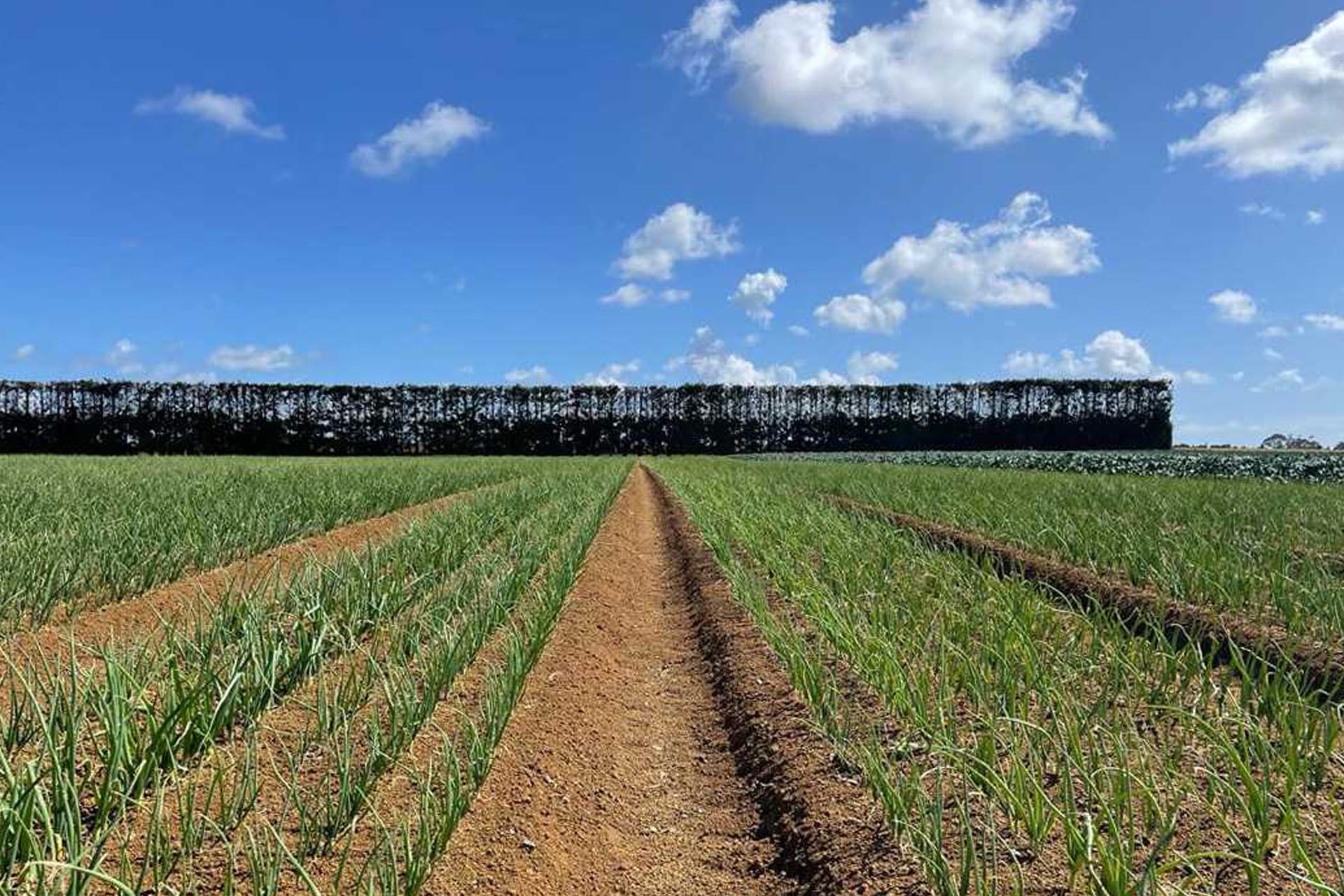
A demonstration onion farm in Pukekohe is combining modern disease forecasting tools with old school knowledge to show onions can be grown effectively with fewer chemical sprays.
The farm has been set up as part of the A Lighter Touch programme to demonstrate that it is possible to take a more sustainable and environmentally friendly approach to crop production in New Zealand.
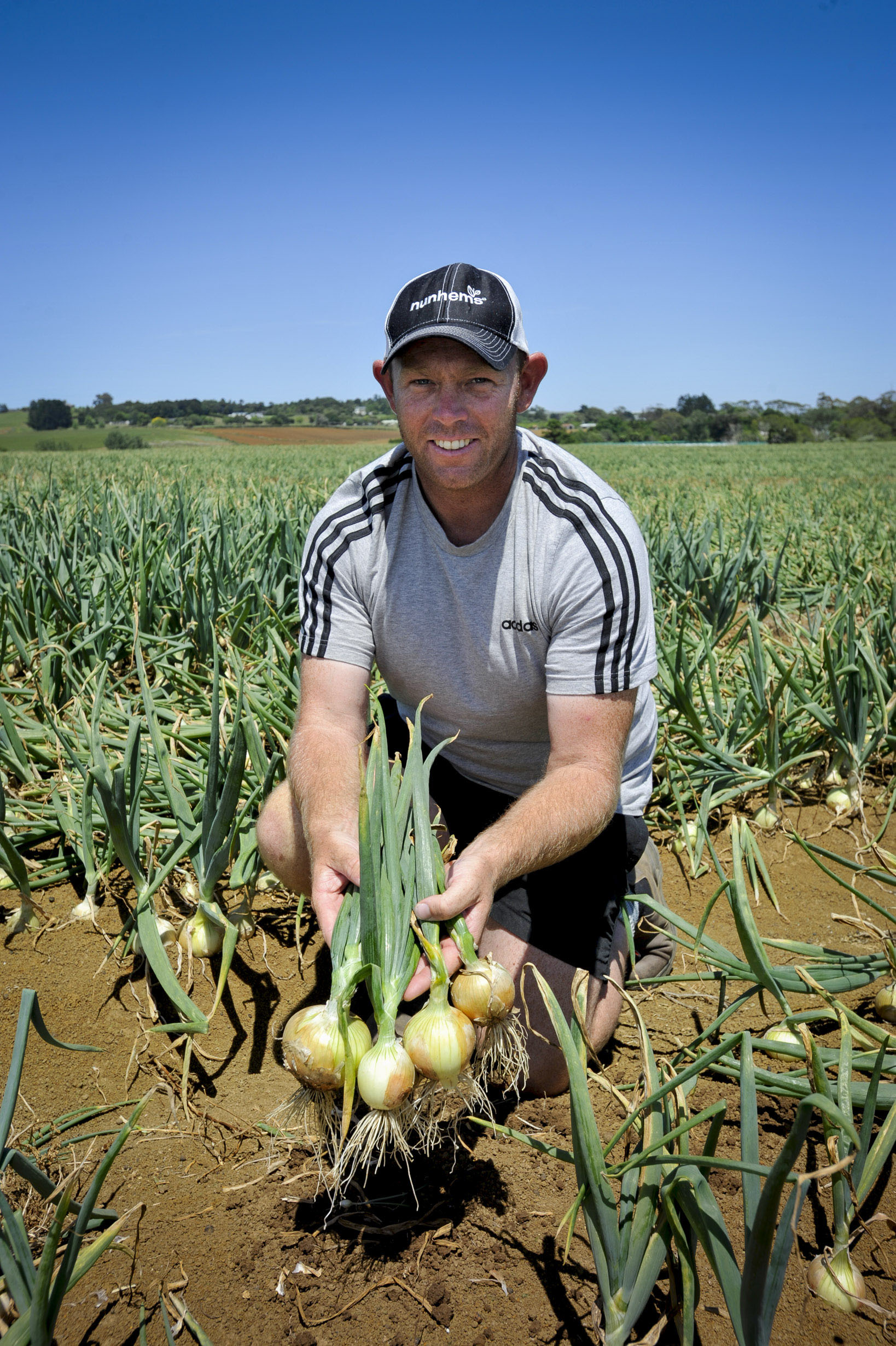
Agronomist Rob Cox helps oversee the onion crop on behalf of Onions New Zealand and says the evidence from the most recent growing season suggests it is possible to grow a successful onion crop in New Zealand with fewer chemical sprays and without relying on Mancozeb – one fungicide in particular he has been looking at.
"Our findings so far show it can absolutely be done without Mancozeb, especially if you grow onion varieties that are less susceptible to disease."
One of the keys to last season’s successful crop was the use of the homegrown weather and disease portal MetWatch, created by New Zealand agri-tech experts HortPlus. The portal combines weather data with disease models created by leading researchers to help growers understand high risk periods for different diseases.
Rob says the portal has been a valuable source of information on the demonstration farm to support key decisions about when to deploy sprays to combat downy mildew and other diseases that affect onions.
He uses the weather and disease model data from MetWatch daily email reports, along with his experience and local knowledge, to make calls on whether spraying is required.
"The daily report comes through and I make a judgement myself as I live close to the site. I look at the modelling, compare it with my initial judgement, and make a decision on what control measures to apply."
Rob says he saw "very little" disease incidence within the crop in the most recent season, despite the season carrying moderate to high downy mildew risk, suggesting MetWatch’s modelling data and his disease control programme had been effective.
With the aid of MetWatch he has grown a successful crop of onions using Phosphorus acid and systemic products other than Mancozeb and is confident most onion varieties with a reasonable degree of tolerance to downy mildew can be grown with the same result.
Rob says it makes sense to move away from relying on Mancozeb and reduce the amount of fungicides being sprayed, regardless of whether they are banned in the future.
"If you use individual products too many times you run into resistance issues. Extending spraying intervals and making informed decisions about when not to spray gives you more options up your sleeve later if the risk level is high and you need to go back to shorter intervals of spraying.
"If you can make a couple of applications at 10-day intervals, rather than making three applications at seven-day intervals, you’ve saved yourself an application through that period."
Rob says deciding not to spray can be a difficult decision for growers because of the risk of disease occurring. However, the disease models provided by MetWatch allow growers to make those calls with more certainty, based on scientifically proven disease models and historic risk trends.
"Using Metwatch there’s absolutely been a reduction in sprays on the demonstration farm. I would say we’ve saved three or four applications over the life of the crop – good for the environment and there are some small cost savings there too."
The demonstration onion farm Rob manages sits alongside other one hectare demonstration plots for pumpkin, barley, brassicas and lettuce, all seeking to demonstrate new techniques that may lead to increased productivity and positive environmental outcomes. Innovations being trialled on other crops include native plantings and more diversity of companion flowers to encourage beneficial insects.
A Lighter Touch is a joint project launched by horticultural industry groups and the Government in 2020 to decrease reliance on agrochemical crop protection products that are being phased out, as well as in reaction to the public’s growing preference for environmentally conscious products that have been exposed to fewer agricultural chemicals.
MetWatch is available to logged-in onion and vegetable growers via the ‘Weather and Disease Portal’ on the Onions New Zealand and Vegetables New Zealand websites.
Similar online portals powered by MetWatch are also available to growers in a range of other sectors, from kiwifruit and summerfruit, to apples and arable crops, with different tools and crop-specific pest and disease models for each.